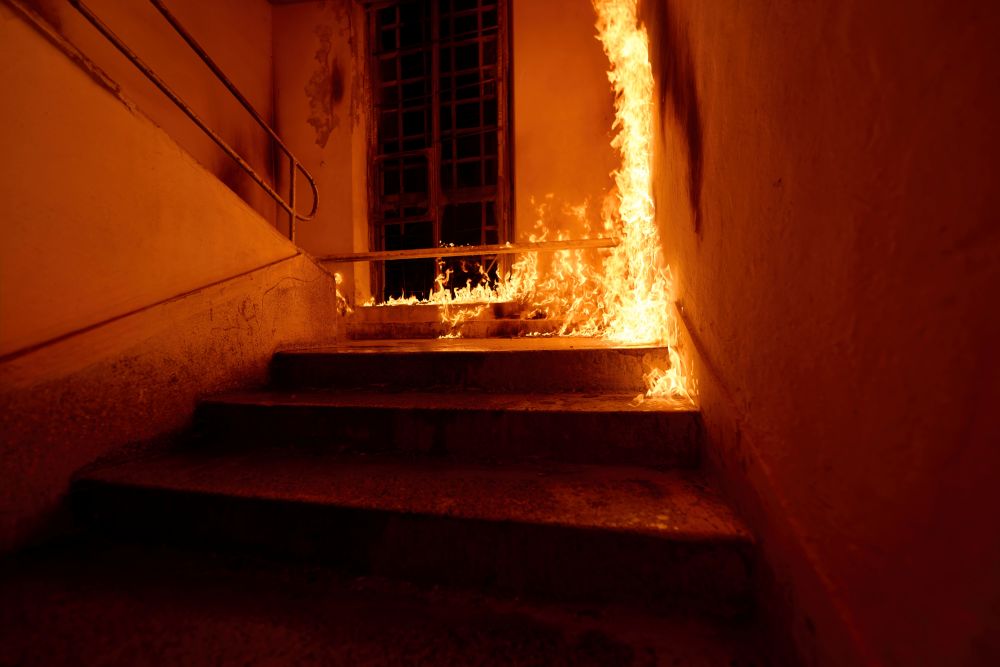

The firebombing of social homes linked to drug-related intimidation has reached “epidemic” levels in Dublin, a senior council official has warned.
According to the Dublin Inquirer, speaking at a recent housing committee meeting, Mick Clarke of Dublin City Council’s antisocial behaviour and estate management unit said the tactic is increasingly being used by criminal groups to threaten and control residents.
“In relation to the threat to life and the fire issue, it has become the new epidemic, the threat that these drug gangs have over people,” Clarke told councillors.
According to figures presented at the meeting, several families have already been forced from their homes due to such attacks. Clarke said six cases had been referred to him involving households that were “burned out”, though that number has since reduced to three.
In response, the council has adopted a policy of not returning affected tenants to their original communities once their homes are repaired. While many families wish to go back, officials say the risks are too high.
“If they are burned out of Cabra, they are not going back into Cabra,” Clarke said.
He outlined three key reasons for the approach: the risk of further attacks or fatalities, the council’s duty of care to neighbours, and the significant cost of repairing fire-damaged properties. In some cases, neighbouring homes have also been targeted.
“If somebody is burned out and we do the house up and put them back in, there could be a fatality,” he said. “We’d be asked: why the hell did you put them back in?”
Clarke added that garda intelligence has indicated some tenants would remain at risk if they returned, even though many feel they are being unfairly punished.
“I have interviewed a number of these families and all they want to do is go back into the area and they feel that I’m punishing them,” he said. “But at the end of the day, this happened for a reason and we’re not prepared to take a chance.”
Instead, displaced tenants are offered similar housing in different areas deemed safer.
The issue formed part of a wider discussion on antisocial behaviour across the city’s social housing stock, with 2,415 complaints recorded last year. Councillors called for stronger and faster responses to serious incidents, including drug-related intimidation and violence.
Independent councillor Cieran Perry described antisocial behaviour as one of the most significant challenges facing the council after housing supply.
“We’re all here fighting for public housing,” he said, warning that such issues risk undermining confidence in the system.
Council officials also signalled plans to establish a new working group to examine how antisocial behaviour is managed and to identify priorities for reform.
However, Mike Allen of Focus Ireland cautioned against relying solely on enforcement measures. He noted that evictions often push individuals into homelessness, where problems can become more difficult to address.
“I’m not saying we should be soft on it,” Allen said. “But we need to think it all through.”
The council says it remains committed to protecting tenants and communities, but acknowledges the growing complexity of dealing with crime and intimidation in social housing.