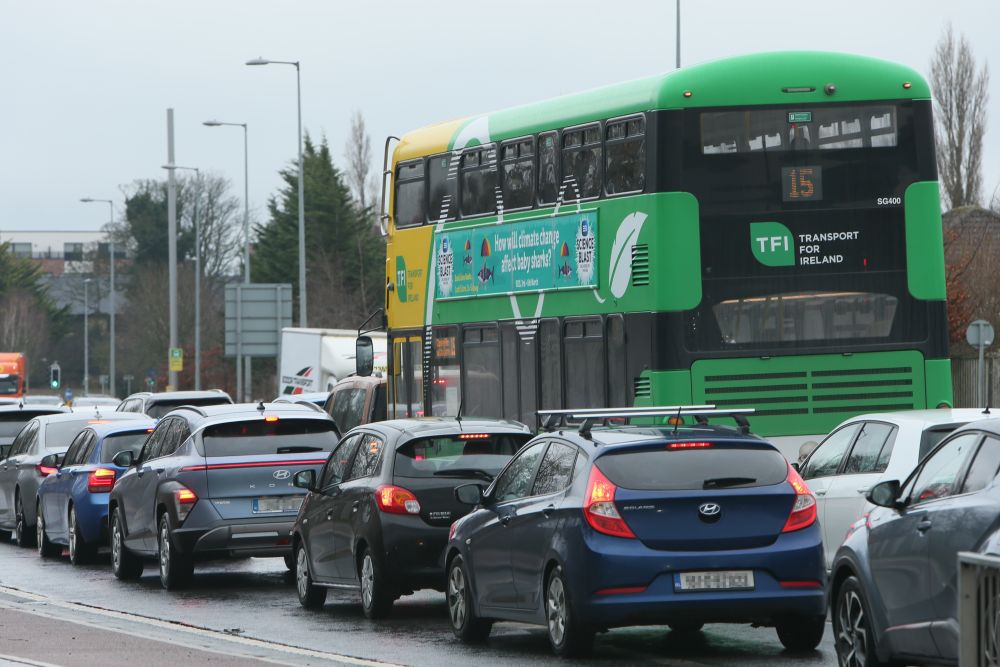

The Irish Road Haulage Association (IRHA) has warned that congestion is imposing unsustainable costs on the logistics sector. At an emergency meeting earlier this month, the group called for the abolition of M50 toll charges and a reduction in Dublin Port infrastructure fees, arguing that delays are significantly impacting supply chains.
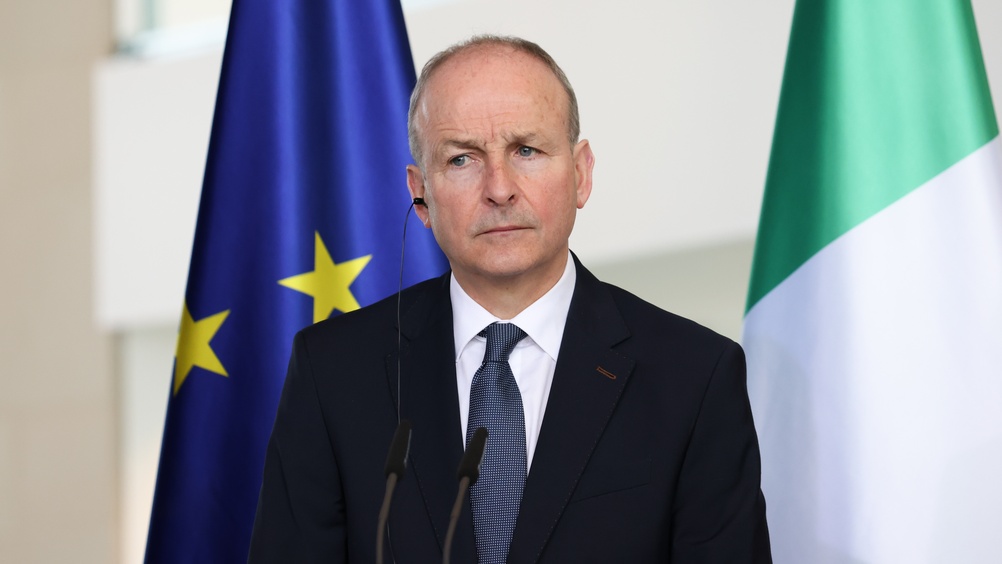
Minister O’Brien has acknowledged that there is no single or immediate solution to Dublin’s congestion crisis, which has intensified in the post-pandemic period due to increased car usage and economic activity.
Instead, the Government is pursuing a dual-track approach: implementing short-term operational changes while accelerating long-term public transport investment.
A new strategy, titled “Moving Together,” is expected to be published in the coming weeks. It will focus on improving system efficiency through better coordination, demand management, and encouraging behavioural changes such as increased use of public transport and flexible working arrangements.
Central to the Government’s plans is a major expansion of public transport capacity. This includes the rollout of BusConnects and the DART+ programme, alongside the planned purchase of additional rail carriages.
A €10.1 billion investment package for public transport between 2026 and 2030 aims to provide viable alternatives to private car use, particularly for commuters currently reliant on the M50.
However, with these large-scale projects unlikely to deliver immediate relief, attention remains firmly on what can be done in the short term to ease daily congestion pressures.
As discussions continue, officials face the challenge of balancing urgent intervention with long-term transformation—while commuters and businesses continue to grapple with the reality of one of Europe’s most congested urban transport networks.