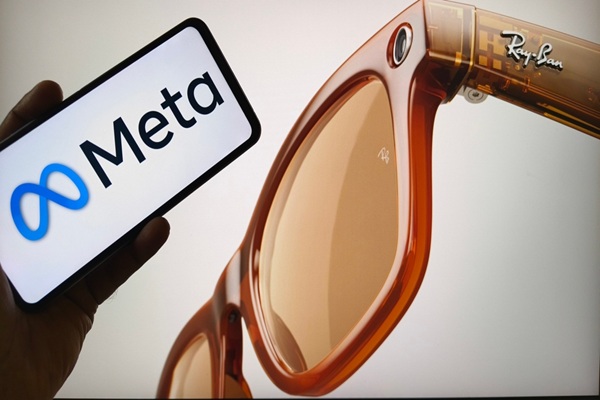

Cinemas across the UK are banning the use of Meta glasses due to the increase of piracy concerns, recent reports have revealed.
The UK Cinema Association (UKCA) stated that many cinemas are actively looking into their policies on the Meta glasses.
A UKCA spokesperson said via RTE, that "UK cinema operators are aware of the increasing availability and use of wearable technology such as smart glasses and the extent to which these can provide benefits to those with specific access requirements."
"However, they are also mindful of the issues around privacy and film piracy that arise around the use of such technology in cinemas, and as a result many are introducing policies to prohibit and/or restrict the wearing of camera-enabled smart glasses in particular in their venues. This is clearly a developing area, and we will continue to work with our members to ensure their approach remains relevant and proportionate," the spokesperson continued.
Cinemas have become the next industry to clamp down on the use of smart glasses, as pubs and theatres have previously placed bans in recent weeks.
The chief executive of the UK pub chain Wetherspoons said: “The general code that applies in our pubs, and most pubs, is that you can’t film customers or employees without their permission. Meta glasses seem to breach this code, and common sense, by enabling surreptitious surveillance, so our instinct is to say turn off the cameras. This is akin to our efforts to stop audible playing of videos in our pubs, which also invades people’s space.”
Around seven million pairs of Meta glasses were sold last year. The technology company started selling the smart glasses in 2021, with an increased demand in recent years.
Speaking on the Meta glasses, a Meta spokesperson said via The Guardian that "people use our glasses because they're helpful and let them stay in the moment, from listening to music to live translation or hands-free calls."
"They also provide critical new technology for people in the blind and low vision community and limiting how people can use this technology would be a major step backwards. Naturally some places shouldn’t be filmed at all and that’s reasonable but rules should be applied consistently," the spokesperson continued.