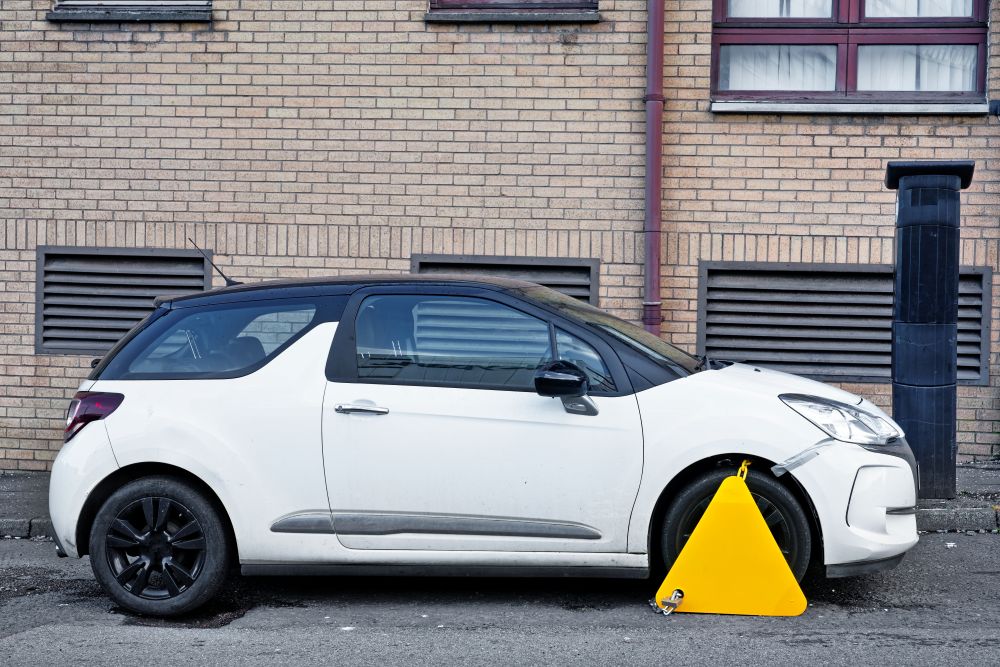

Thousands of vehicle clamps fitted by Dublin City Council were illegally removed or destroyed last year, according to newly released figures that have prompted calls for stronger enforcement measures.
Statistics supplied to Green Party councillor Feljin Jose reveal that Dublin Street Parking Services, the council’s parking enforcement division, installed 43,124 clamps on vehicles across the capital in 2025. Of those, 39,367 were removed through authorised de-clamping procedures, while 3,610 were unlawfully removed or damaged.
The figures indicate that 8.4 per cent of all clamps deployed during the year were either destroyed or taken off illegally. Comparable rates of clamp damage were also recorded in both 2023 and 2024.
Clamping activity rose from 44,128 incidents in 2023 to 45,636 in 2024 before falling slightly last year. Dublin City Council only retains parking enforcement records for the previous three years, meaning earlier data is unavailable.
Speaking about the figures, Cllr Jose said the scale of the problem was more significant than many people had realised.
“It was obvious to everyone that a lot of clamps are being illegally removed,” he said. “But I don’t think anyone quite knew the scale until now. Almost 10 per cent is staggering, and it does not seem like there have been any prosecutions.”
A spokesperson for Dublin City Council said the authority does not hold statistics on prosecutions linked specifically to clamp destruction. An Garda Síochána also confirmed that separate data relating to prosecutions for damage to parking enforcement equipment is not available.
A Garda spokesperson stated: “Specific statistics on individual types of property affected and resulting in prosecutions under the Criminal Damage Act are not available from An Garda Síochána.”
Cllr Jose estimated that the cost of replacing damaged or stolen clamps could amount to more than €1 million annually if each clamp is valued at approximately €300.
“At the end of the day, the rule of law has to be followed and if there’s €1 million worth of criminal damage being done, something has to be done about it,” he said.
The estimate does not include the additional financial impact of unpaid parking penalties associated with illegally removed clamps.
Despite criticism from some councillors who have called for an end to clamping, Dublin City Council remains the only local authority in the country to continue using the practice. Cllr Jose argued that clamping still plays an important role in tackling illegal parking but should be used alongside other enforcement measures.
“I think clamping has a place, I think towing has a place and I think fining has a place,” he said.
He also noted that the council has increasingly relied on issuing fines rather than clamping vehicles in situations where parking violations create immediate disruption.
“I think DCC has gotten better at doing more of the fines, as opposed to just clamping,” he said. “For example, if a car is parked blocking a bus lane, a cycle lane or a footpath, what they would do a couple of years ago was clamp it, which just prolongs the issue.”
Cllr Jose said he would like to see greater use of vehicle towing, describing it as a more effective response to serious parking offences, although he acknowledged there appears to be some reluctance within the council to expand the practice.
“It obviously does take more time, but I think it is the most effective for the people who are affected by illegally parked cars,” he said. “I don’t see how we tackle illegal parking and, if you’ll pardon the pun, clamp down on illegal parking, if we do not have any repercussions for people who simply remove clamps and damage property.”