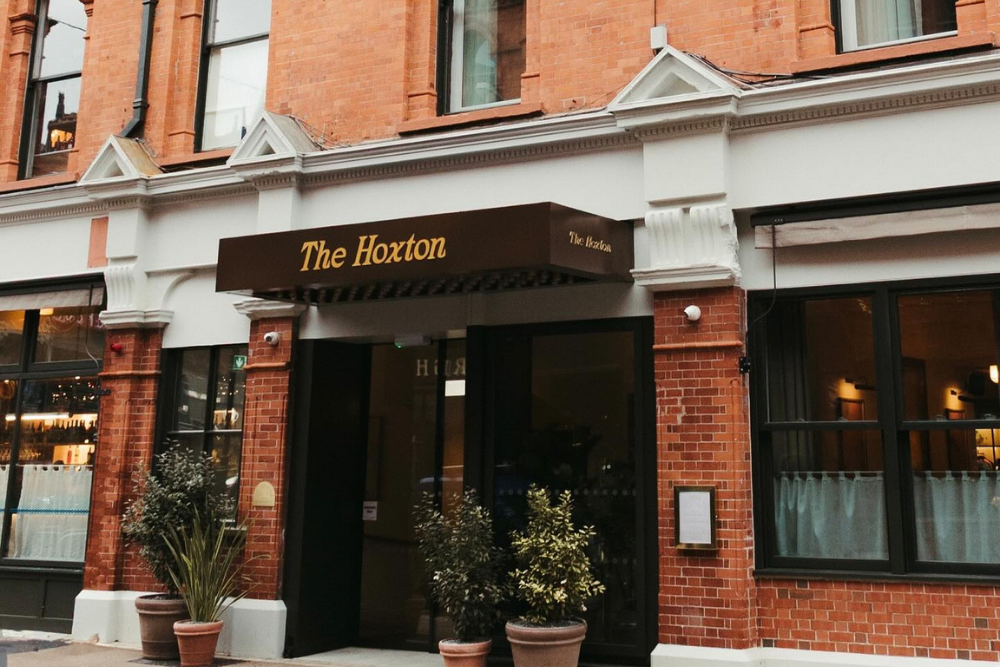

Noise experts have begun inspecting rooms at The Hoxton Dublin as part of an ongoing High Court dispute with neighbouring venue Yamamori Izakaya over alleged late-night noise disruption.
The case, which has been rumbling on since earlier this year, centres on claims by the hotel’s operators, Trinity Hospitality Ltd, that excessive noise from the long-established restaurant, nightclub and late bar has forced the closure of 31 bedrooms due to guest complaints.
At a recent sitting of the High Court, it was confirmed that acoustic experts from both sides are now carrying out inspections across multiple nights, including weekends, in a bid to properly assess the scale and source of the issue. The results are expected to be crucial in determining whether the hotel’s application for an injunction can proceed.
Counsel for the Hoxton told the court that agreement had finally been reached on how the testing should be conducted, paving the way for a potential hearing date in the coming weeks.
However, the defendant’s legal team pushed back, arguing that the inspections are not yet complete and that any application for an injunction would be premature until full data is gathered.
The nightclub disputes the extent of the hotel’s claims and has also pointed to possible structural issues within the building itself, suggesting that inadequate soundproofing or design flaws may be contributing to the noise transfer.
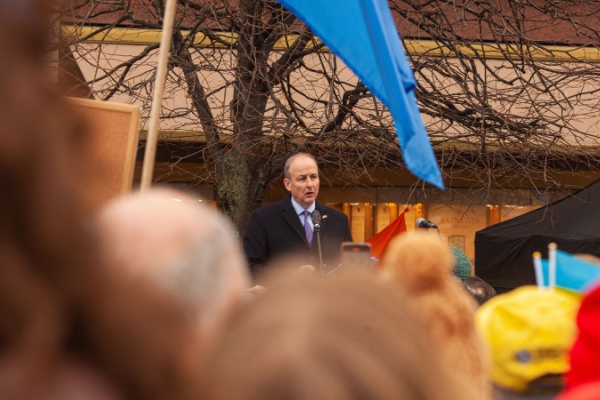
The dispute has already sparked significant public attention, particularly following a February protest that saw around 200 people gather on South William Street and Exchequer Street in support of Yamamori Izakaya.
DJs played music on the street while campaigners rallied under the banner of “Save Izakaya”, framing the case as part of a wider struggle to protect Dublin’s nightlife.
View this post on Instagram
Supporters argue that the venue, which has operated for years as part of the broader Yamamori group, is a key fixture in the capital’s cultural and late-night scene. Blending Japanese dining with DJ-led events, Izakaya has built a loyal following among students, creatives and hospitality workers.
By contrast, The Hoxton Dublin is a relatively recent addition to the area, having opened in 2023 following the redevelopment of the historic Central Hotel site.
The building itself has long been associated with Dublin’s cultural life, most notably through the former Library Bar, once a well-known haunt for writers and musicians.
In statements issued earlier this year, the hotel insisted it is not seeking to shut down its neighbour but instead wants to find a “collaborative solution” to the issue of noise transfer.
Yamamori, however, rejected that characterisation, questioning the necessity of legal action and expressing concern about the potential impact on its operations.
The row taps into a broader and increasingly contentious debate around Dublin’s nightlife.
Industry figures have repeatedly warned about mounting pressures on the sector, including rising rents, redevelopment, licensing constraints and the long tail of the COVID-19 pandemic.
Campaigners have also pointed to the so-called “agent of change” principle — widely adopted in cities like London — which places the responsibility on new developments to mitigate noise when building near existing venues, rather than forcing long-running businesses to adapt.
For now, both sides maintain they are open to dialogue.
The case has been adjourned again to allow the inspections to conclude, with a judge indicating that it will be prioritised once the results are before the court.