
Concerns over summer travel plans are growing as conflict in the Middle East continues to disrupt global energy supplies.
The head of International Energy Agency (IEA), Fatih Birol, warned that Europe has only six weeks’ worth of jet fuel remaining due to the crisis. He said flight cancellations could happen “soon” if oil supplies stay constrained.
The key is to act quickly but stay strategic—airlines tend to rebook passengers automatically, but your options improve the sooner you take control.
Start with the airline
Check the airline’s app or website first. Many carriers will automatically place you on the next available flight. If that option doesn’t work, look for alternatives yourself before contacting support—you can often request a specific flight and save time.
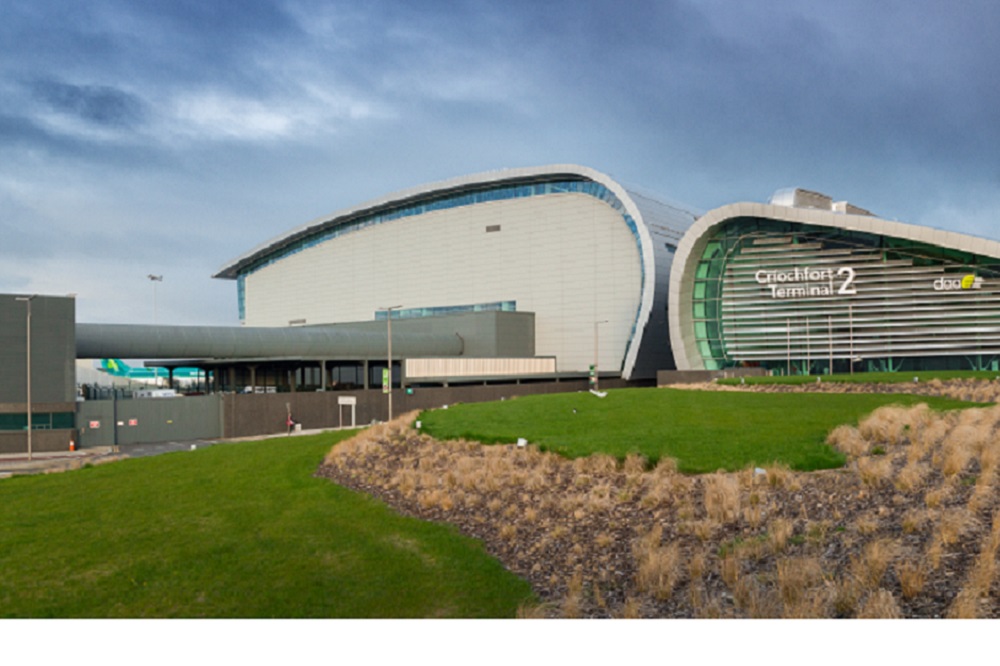
In relation to the 500 Aer Lingus flights cancelled, The Irish Travel Agents Association said it is aware that Aer Lingus has been “sending out cancellation notices for the past few weeks.”
In a statement, its CEO Clare Dunne said: “Passengers are being rebooked on alternative flights the day before, the day after or offered other change or refunds.”
For its part, Aer Lingus has said it is working to minimise disruption for customers by automatically rebooking affected passengers where possible. The airline said customers can also choose to change their flight dates or request a refund if the new arrangements are not suitable.
Know your rights
If you’re flying within or from the EU (including Ireland), you’re protected under EU261 regulation. This means:
Move fast on rebooking
Seats fill up quickly during disruptions. If your airline’s next option is too delayed, ask about partner airlines or different routes (even nearby airports).
Keep receipts
If you have to pay for food, transport, or a hotel, keep all receipts. You may be able to claim these back later.
Check your travel insurance
Some policies cover cancellations, extra accommodation, or missed connections—especially if the disruption isn’t fully covered by airline obligations.
Avoid the airport queue (if possible)
Customer service lines at airports get overwhelmed. Calling the airline, using live chat, or reaching out via social media can often be faster.
Stay flexible
Being open to different departure times, routes, or even nearby airports can get you moving again much sooner.
Aegean Airlines
The Greek carrier expects suspended Middle East routes and rising fuel prices to have a “notable impact” on first-quarter results.
Aer Lingus
The airline stated that the disruption affects roughly 2% of its overall operations, emphasizing that most passengers have been rebooked on alternative same-day services.
Reports had suggested a larger scale of disruption, with the Sunday Independent claiming that more than 500 flights could be impacted.
AirAsia X
Executives said the airline has cut 10% of flights across the group and added a fuel surcharge of about 20%.
Air France-KLM
The group plans to raise long-haul ticket prices, with fares increasing by €50 ($58) per round trip. Its Dutch arm, KLM, said on April 16 it would cancel 160 European flights in the coming month due to fuel costs.
Air India
The airline will shift from a flat domestic fuel surcharge to a distance-based system, noting that international surcharges do not cover the exponential rise in fuel prices.
Airline Operators of Nigeria
Nigerian airlines have postponed a planned nationwide shutdown after government intervention. The Airline Operators of Nigeria (AON) had warned it would halt services from April 20, citing unsustainable jet fuel costs.
Air New Zealand
The airline said on April 7 it would reduce flights through May and June and increase fares. It also suspended its full-year earnings forecast due to fuel market volatility.
Akasa Air
The Indian airline introduced fuel surcharges ranging from 199 to 1,300 rupees ($2–$14) on domestic and international routes.
Alaska Air
The airline raised checked baggage fees—$5 more for the first bag and $10 more for the second on North American routes, including its Hawaiian Airlines unit. A third bag now costs $200, up from $50.
American Airlines
The carrier increased checked baggage fees by $10 for the first and second bags and by $150 for the third on domestic and short-haul international routes, while also reducing some economy benefits. It had earlier projected a $400 million increase in first-quarter expenses due to fuel prices.
Asiana Airlines
The South Korean airline will cut 22 flights between April and July due to rising fuel costs, according to Newsis.
Cathay Pacific
The airline will cancel about 2% of scheduled passenger flights between mid-May and late June, while HK Express will cut around 6%. It had already raised fuel surcharges by 34% from April 1 and reviews them biweekly.
Cebu Air
The airline said rising fuel prices remain a major concern and that it will continue adjusting pricing and network strategies.
China Eastern Airlines
Fuel surcharges on domestic flights increased from April 5, with 60 yuan ($9) added for routes under 800 km and 120 yuan for longer flights.
Delta Air Lines
Delta is cutting planned capacity by about 3.5 percentage points and raising baggage fees by $10 for first and second bags and $50 for a third. It also scrapped planned capacity growth and forecast lower-than-expected profits. The CEO said the airline would delay updating its full-year outlook due to uncertainty.
EasyJet
The airline warned of a larger half-year pre-tax loss of £540m–£560m ($731m–$758m), including £25m in extra fuel costs in March. CEO Kenton Jarvis said ticket prices in Europe could rise later in the summer.
Frontier Airlines
The airline is reviewing its full-year forecast as fuel prices continue to climb.
Greater Bay Airlines
The airline raised fuel surcharges on most routes from April 1, with a more than doubling on flights between Hong Kong and the Philippines.
Hong Kong Airlines
Fuel surcharges increased by up to 35% from March 12, with the steepest rises on routes to the Maldives, Bangladesh, and Nepal.
British Airways
Parent company IAG said in March it would not immediately raise ticket prices, as much of its fuel is hedged for the short to medium term.
IndiGo
India’s largest airline introduced fuel charges from March 14, including 900 rupees for Middle East routes and 2,300 rupees for Europe. It is also lobbying for lower fuel taxes.
JetBlue Airways
The airline is increasing fees for optional services like checked baggage by $4–$9 due to rising operating costs.
Korean Air
The carrier will enter emergency management mode from April, implementing phased cost-control measures depending on oil price levels.
Lufthansa
The airline group will ground 27 planes in its CityLine unit earlier than planned and retire four Airbus A340-600 aircraft by the end of summer. It will also reduce fleet capacity for winter 2026/2027.
Nigerian airlines
Industry representatives warned of a complete shutdown from April 20 unless fuel prices fall, accusing suppliers of artificially inflating costs.
Norse Atlantic
The airline has cancelled its London Gatwick–Los Angeles route due to rising fuel prices.
Pakistan International Airlines
The carrier raised domestic fares by $20 and international fares by up to $100 due to higher fuel surcharges.
Qantas Airways
Qantas delayed a A$150 million share buyback and raised its projected fuel bill for the second half of 2026 to A$3.1bn–A$3.3bn.
SAS
The airline will cancel 1,000 flights in April after already cancelling hundreds in March, citing high oil and jet fuel costs.
Spring Airlines
The airline will increase fuel surcharges on domestic routes from April 5.
Southwest Airlines
Checked baggage fees rose by $10, bringing totals to $45 for the first bag and $55 for the second.
TAP Air Portugal
The airline said fare increases will partly offset the impact of rising fuel costs.
Thai Airways
The airline will raise fares by 10%–15% to manage fuel expenses.
SunExpress
The joint venture between Turkish Airlines and Lufthansa will add a temporary €10 fuel surcharge per passenger from May 1 on Europe–Turkey routes.
Turkish Airlines
The airline said on April 10 it would not distribute dividends from its 2025 profits, opting to conserve cash.
T’Way Air
The airline plans to furlough some cabin crew without pay in May and June to reduce costs.
United Airlines
United is cutting unprofitable routes over the next two quarters and expects oil prices to stay above $100 through 2027. It is also raising baggage fees by $10 for first and second bags on routes across the Americas. Executives said fare increases have not significantly reduced demand.
VietJet
The airline has adjusted flight frequencies on certain routes due to possible fuel shortages.
Vietnam Airlines
The airline plans to cancel 23 domestic flights per week from April and has requested tax relief on jet fuel.
Virgin Atlantic
The airline is adding fuel surcharges but said it may still struggle to return to profitability this year.
Virgin Australia
The airline expects fuel costs to rise by A$30m–A$40m in the second half of the fiscal year and plans a 1% capacity reduction in the fourth quarter.
WestJet
The airline will add a C$60 ($43) fuel surcharge to some bookings and consolidate flights to manage rising costs.