
Europe is facing an escalating trade dispute with the United States after US President Donald Trump threatened to impose new import tariffs on a number of European countries unless his controversial diplomatic demands are met. The Irish Government and EU leaders are now responding to what economists and policymakers describe as a potentially destabilising development in transatlantic relations.
A tariff is a tax that one country places on goods imported from another. When a tariff is levied, the foreign producer pays a fee or the seller passes that cost on to consumers, which can make trade more expensive and slow the flow of goods between countries. Tariffs are often used to protect domestic industries, but when applied broadly they can trigger retaliation and lead to a trade war — where each side keeps increasing taxes on the other’s goods, potentially harming businesses and consumers on both sides.
The current crisis stems from Mr Trump’s outspoken attempt to secure Greenland, an autonomous territory of Denmark with strategic importance in the Arctic. After public pressure and a diplomatic rebuff over his interest in buying the island, the US president escalated his rhetoric this month by threatening to impose 10 per cent tariffs on all goods from several NATO allies — including Denmark, the United Kingdom, Sweden, Norway, France, Germany, the Netherlands and Finland — starting in February, rising to 25 per cent in June unless Greenland is made available for purchase. He has refused to rule out the use of force in pursuit of control of the island.
The move has drawn swift condemnation from European capitals and spawned emergency discussions in Brussels, where EU finance and trade ministers are weighing how to respond. Some European leaders have signalled the possibility of counter-tariffs or reactivation of previously suspended tariffs on €93 billion of US goods. Others are discussing the use of the EU’s Anti-Coercion Instrument, a policy tool designed to defend the bloc against unfair economic pressure.
From an Irish perspective, the ramifications could be significant. Ireland’s economy is deeply integrated with global trade, particularly with the United States and the European Union. Exports of goods, especially pharmaceuticals and food products, form a large share of Irish economic activity, and even modest tariffs could increase costs or reduce demand for Irish products abroad.
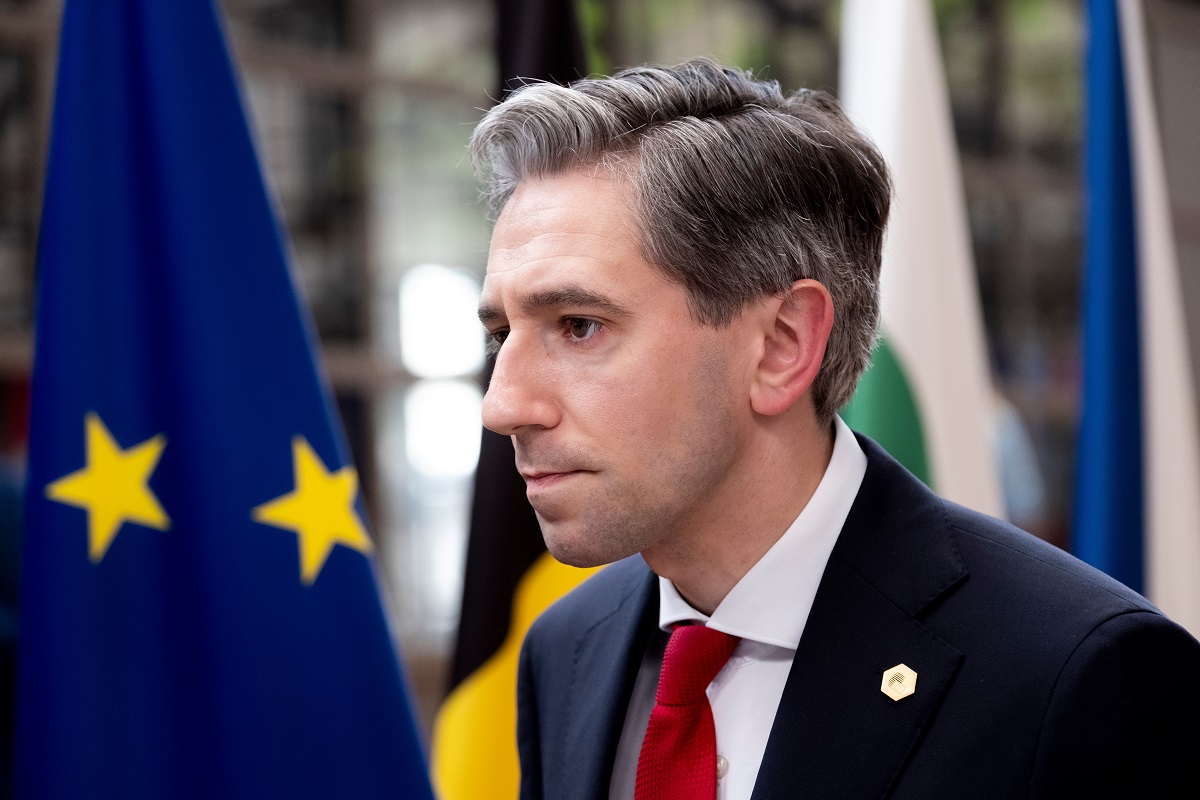
Amid rising tension, Tánaiste and Minister for Finance Simon Harris has been urging caution in Ireland’s response and among EU partners. Speaking in Brussels, he described the destabilising potential of new tariffs as “very significant” and stressed that now is a time for dialogue and measured negotiation rather than escalation. He emphasised that the EU has worked hard to establish a benign trade relationship with the US, and that rapid retaliation could damage that hard-won framework.
Mr Harris underscored the importance of unity within Europe, and said discussions should be pursued with “cool heads.” He argued that a negotiated outcome would serve the interests of both sides better than an unrestrained cycle of punitive economic measures. As Ireland’s Finance Minister, he also highlighted the need to protect Ireland’s economic interests — and maintain confidence among businesses and investors who depend on stable transatlantic trade.
Other European leaders have echoed the call for calm, even as they prepare to defend their trading rights. British Prime Minister Keir Starmer also appealed for dialogue, warning that punitive tariffs among longstanding allies could backfire.