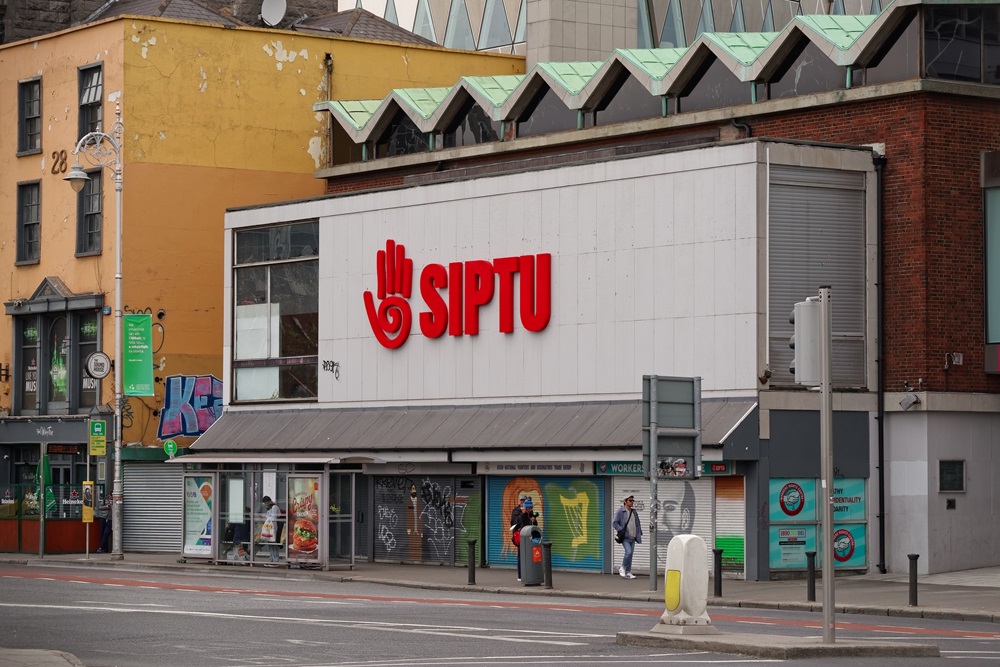

The country's largest trade union, SIPTU, has begun consulting with members across the public sector as it prepares for possible strike ballots in the coming weeks. The move follows growing frustration over the Government's failure to begin formal negotiations on a new public sector pay agreement after the previous deal expired at the end of June.
The most recent pay agreement covered the period from 1 January 2024 to 30 June 2026 and delivered salary increases of up to 10.25% over its two-and-a-half-year duration. However, with that agreement now finished and no replacement in place, unions are expressing concern over delays in securing a new deal that they believe will protect workers' incomes.
On Friday, the Public Services Committee of the Irish Congress of Trade Unions (ICTU), which represents 19 affiliated unions, confirmed that member consultations have begun across the public service. These discussions are expected to be followed by ballots seeking support for industrial action if progress is not made in negotiations with the Government.
SIPTU confirmed that its members employed in the health service, local authorities and the education sector will participate in strike ballots over the coming weeks. The union argues that Government representatives have failed to provide sufficient assurances during preliminary discussions to allow formal pay negotiations to begin.
SIPTU General Secretary John King said that while exploratory meetings had taken place in recent weeks, they did not produce a clear commitment from the Government to negotiate a long-term pay agreement that would safeguard the living standards of public servants. According to Mr King, workers require certainty that future pay increases will keep pace with the rising cost of living throughout the lifetime of any new multi-year agreement.
He also stated that inflation and the ongoing cost-of-living pressures have significantly reduced the real value of the pay increases received under the previous agreement. As a result, SIPTU members believe they should not bear the financial consequences of delays in commencing negotiations. Mr King added that public servants continue to provide essential services across the country every day, but warned that their patience is wearing thin as uncertainty over future pay continues.
The Government has responded by insisting that industrial action is not justified at this stage. Minister for Public Expenditure, Jack Chambers, said the Government remains committed to reaching a new public sector pay agreement but stressed that negotiations must take place without conditions being imposed beforehand. He maintained that successful talks depend on building consensus between all parties involved rather than establishing preconditions before discussions formally begin.
A spokesperson for the Department of Public Expenditure also reiterated that the Government remains willing to engage with ICTU and representative organisations to resolve the matter. The department emphasised that continued dialogue is the only way to secure a mutually acceptable agreement and expressed its readiness to participate in negotiations aimed at reaching a new pay deal.
As consultations continue and strike ballots approach, attention will focus on whether meaningful negotiations can begin in time to avoid industrial action across key public services. The outcome of discussions over the coming weeks will be significant for tens of thousands of public sector workers seeking pay increases that reflect current economic conditions while ensuring stability in the delivery of essential public services.