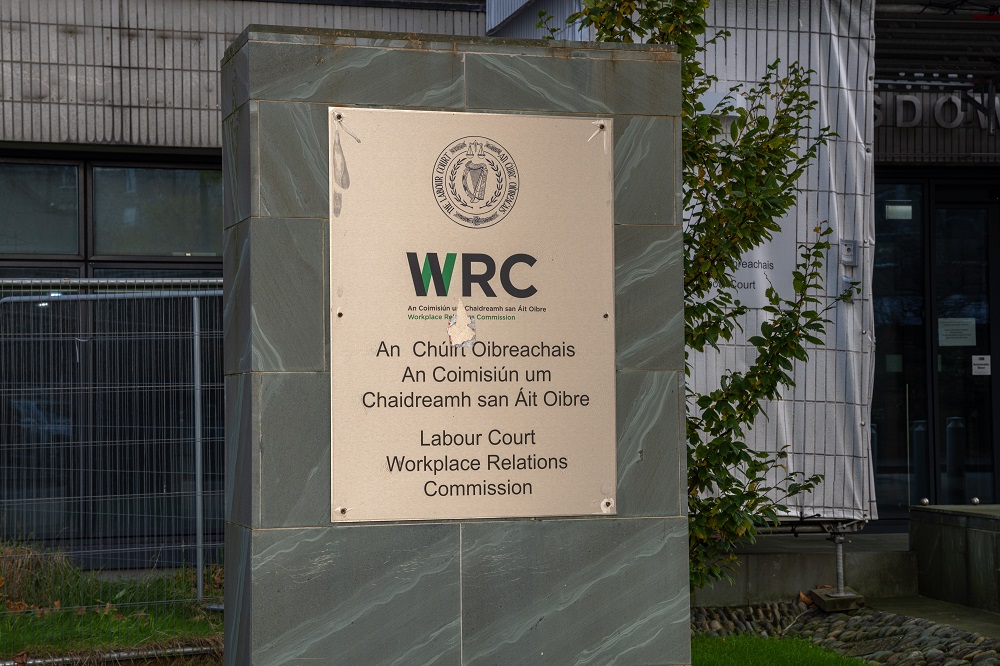

Talks on a new deal for the public sector are under way at the Workplace Relations Commission (WRC).
The talks come amid meetings which took place on Saturday, overseen by this Government appointed group aimed at resolving this pay dispute. 300,000 workers from the public sector had engaged in a strike action last Wednesday.
Another strike had been due to take place this Wednesday (October 21), but was then suspended by unions, so that talks could take place. Industrial action like work-to-rule is continuing to take place across the sector.
Ahead of these talks, Taoiseach Micheal Martin said he was confident that a pay deal would be agreed in the public service, and that protections for low paid workers would also be provided. The Government have been facing mounting pressure from public sectors for a new pay agreement following the expiry of the previous deal at the end of June.
Regarding any new deal, the Taoiseach said that it should represent "value for money.
He did refuse to get drawn into whether the Government would go beyond the allocated €1.2 billion from this month's Budget for a new deal, following suggestions from the Coalition could use funds from the €1.6 billion of unallocated budgetary spending.
The General Secretary of the Fórsa trade union, had said ahead of these negotiations that they would listen to the Government when it comes to productivity demands, but stated that workers have nothing more to give, according to reports in RTÉ.
"Any pay negotiation has a cost-of-living element, and usually a productivity element, they're separate things," General Secretary, Kevin Callinan said.
"We're prepared to listen to what they have to say but I think if they've heard what members said on the picket line, so many of them said they've nothing more to give", he added. "They're really struggling with the cost of living and under huge pressure at work, so let's see what develops in the talks.
Kevin Callinan went on to state that any talking about overall figures at this point is very unhelpful.
"There's a lot of spinning going on," he said.
"Only a few weeks ago, they were talking about €2bn next year", he continued. "The immediate thing is to deal with this year, not the figures in the Budget, to actually deal with the need for an increase this year.
"The agreement expired at the end of June, and I think that would be the initial focus".
Speaking on this, the Minister for Public Expenditure, Jack Chambers said that he expects intensive discussions and negotiations to take place over the coming days.
He said: "So obviously we want to deliver a fair, meaningful and credible pay agreement for public servants, but also ensure that we drive productivity and reform through a pay agreement, and that's understood by all sides as part of the collective bargaining process".
He added that that the €12.2 billion which was announced on Budget Day was the first part of broader discussions.
"I'm not going to get into the specifics on where a figure will land except to say that it has to be sustainable and affordable for Ireland and deliver value for the taxpayers as well", the minister said.
The Government appointed group, which is led by WRC Chair, Kevin Foley, said that after meeting the sides involved in the dispute over the weekend, discussions at the WRC should get underway.
"The discussions should commence with pay related matters, including the trade unions' claims on cost-of-living effects between 2021 –2025, this year, and or the duration of any agreement", the group said in statement.
"There is a need to rebuild trust and confidence in industrial relations in the public sector by addressing commitments made in the context of the previous agreement", the group added.
"In the event of an impasse being reached in respect of any matter during the negotiations at the WRC, we will remain available to consider any such issue at the request of the WRC and to put forward a means of resolution which should be accepted by the parties". (All quotes according to RTÉ).