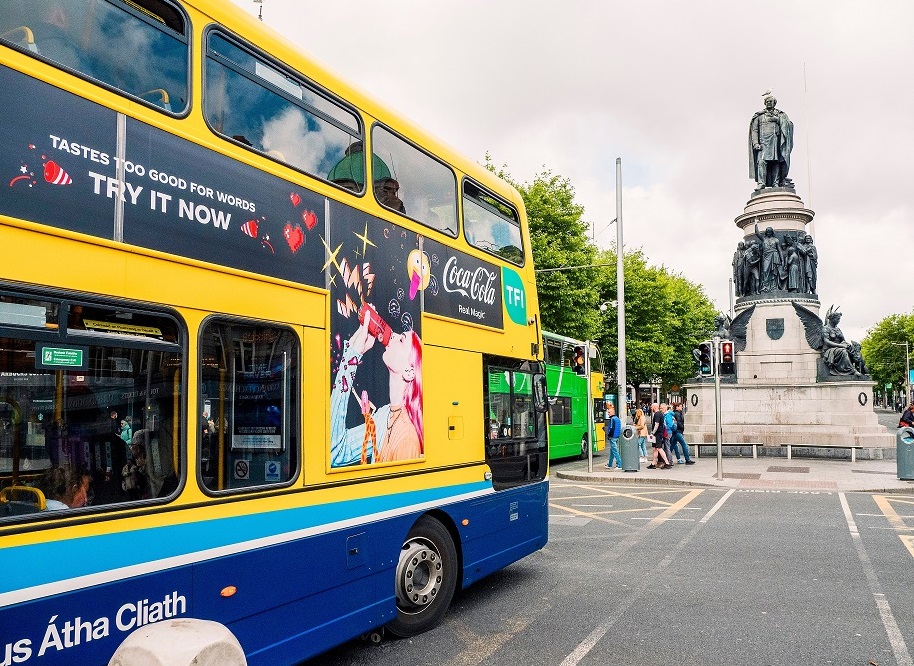

Dubliners accustomed to the city’s bus-services will often find themselves wondering why their journey feels sluggish, especially during rush hour. The answer, according to Dublin Bus’s chief executive Billy Hann, lies largely in the capital’s traffic gridlock and how many bus-routes traverse the centre of town.
@joedotie Wait but she's kind of cooking #DublinBus #Dublin #Ireland #Irish #PublicTransport ♬ original sound - JOE.ie
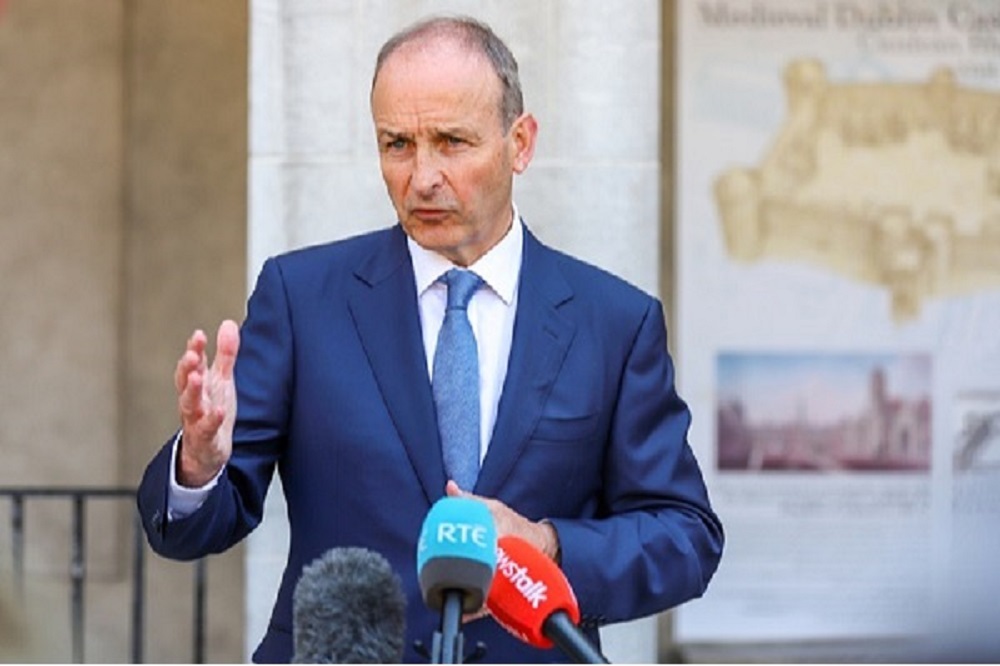
On the evening programme Drivetime with host Katie Hannon, Hann addressed a range of pressing questions from the public about the performance of Dublin Bus. He revealed that the average speed across the network is about 14 km/h, and during peak times it drops to about 11 km/h. In his words: “If you’re a fast runner, you’ll actually run quicker than that.” He explained that during quieter periods the average speed rises to around 20 km/h. These figures point directly to serious congestion in the city centre, where many bus-routes operate. Hann emphasised that because so much of the network “travels through the city centre, where there is more traffic and lower speeds are necessary”, the overall performance is affected.
Hann framed this not as a fault of the buses themselves, but as a structural challenge: the dominance of cars, the shared road space, and the variable nature of traffic all conspire to slow public transport. He has previously described the private car as “the biggest barrier to a faster and more reliable bus-service”. At the same time, he flagged other issues facing Dublin Bus, including driver recruitment, fleet electrification and anti-social behaviour.
The statistics make the challenge clear. If the average bus speed during rush hour is around 11 km/h, a 10-kilometre journey in the city centre could easily take close to an hour. While Dublin Bus has various lane-priority schemes (such as Quality Bus Corridors) designed to speed up services, congestion remains a heavy drag on performance.
This slow pace has knock-on effects for passengers: longer journey times, less reliability, and perhaps lower incentives to shift from car to bus when both are stuck in the same traffic. For an Irish audience, this connects directly to wider urban transport concerns—Dublin is not alone in this, but the capital’s bus-network is uniquely pressured by high density, ageing road-infrastructure and increasing vehicle numbers.
Dublin’s buses aren’t moving slower because of a lack of effort or investment at Dublin Bus, but because a large part of the city’s transport system still hands too much priority to private cars and leaves public buses fighting for space. Hann’s remarks underline that improving bus-speeds will require more than just new buses—it will demand systemic change: more dedicated bus-lanes, stricter traffic-management, lower car-usage, and faster boarding and scheduling.
For commuters, the message is clear: yes, the bus is slower than we might like, but the root causes lie outside the driver’s seat. For policymakers and the public alike, tackling congestion is key if we want Dublin’s buses to sprint rather than jog.