Three Irish Doctors Among Victims as Airbus and Air France Found Guilty Over 2009 Crash
photo:Pavel1964
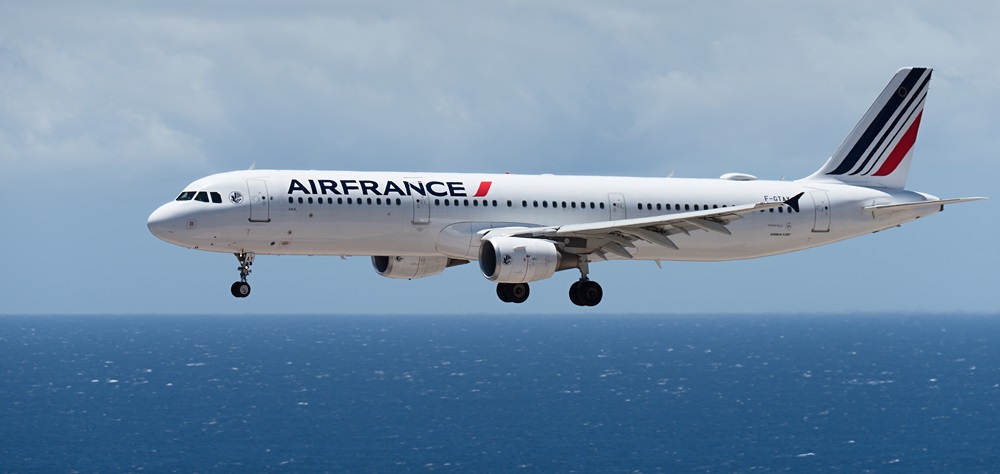
A Paris appeals court has ruled that Airbus and Air France are guilty of corporate manslaughter over the 2009 Rio de Janeiro to Paris plane crash that claimed the lives of 228 passengers and crew members in France’s deadliest aviation disaster.
Among those killed were three Irish doctors — Jane Deasy from Dublin, Eithne Walls from Down and Aisling Butler from Tipperary — who were returning home after a holiday in Brazil.
The ruling marks another major development in a legal battle that has lasted 17 years and involved families of victims from several countries, including France, Brazil and Germany. Relatives gathered in court to hear the verdict after years of campaigning for accountability over the tragedy.
The court imposed the maximum possible fine for corporate manslaughter, ordering both companies to pay €225,000 each, in line with the recommendation made by prosecutors during the eight-week appeal trial.
The decision overturns a 2023 ruling by a lower court, which had cleared both Airbus and Air France of any wrongdoing. Throughout the case, both companies consistently denied responsibility.
Although the fines are relatively small compared to the companies’ revenues, many relatives of the victims said the guilty verdict represents an important acknowledgment of the suffering endured by families since the crash.
Legal experts in France believe further appeals to the country’s highest court are likely, meaning the long-running case could continue for several more years.
Flight AF447 disappeared from radar on 1 June 2009 while flying through a storm over the Atlantic Ocean. The Airbus A330 was carrying passengers and crew from 33 different nationalities. The aircraft’s black boxes were eventually recovered from the seabed two years later after an extensive search operation.
A 2012 investigation by French air accident investigators concluded that the pilots accidentally caused the aircraft to stall after reacting incorrectly to faulty speed sensor readings caused by ice build-up.
However, prosecutors argued that failures by both Airbus and Air France also played a role in the disaster. They claimed the companies failed to respond adequately to earlier incidents involving the aircraft’s sensors and did not provide sufficient pilot training for such emergencies.
To secure convictions for manslaughter, prosecutors had to prove not only negligence by the companies but also show how those failings directly contributed to the crash.
Under French law, the appeal hearing effectively involved a completely new trial, with all evidence reconsidered from the beginning. Any future appeals are expected to focus more on legal technicalities than on the events that occurred in the cockpit of Flight AF447.