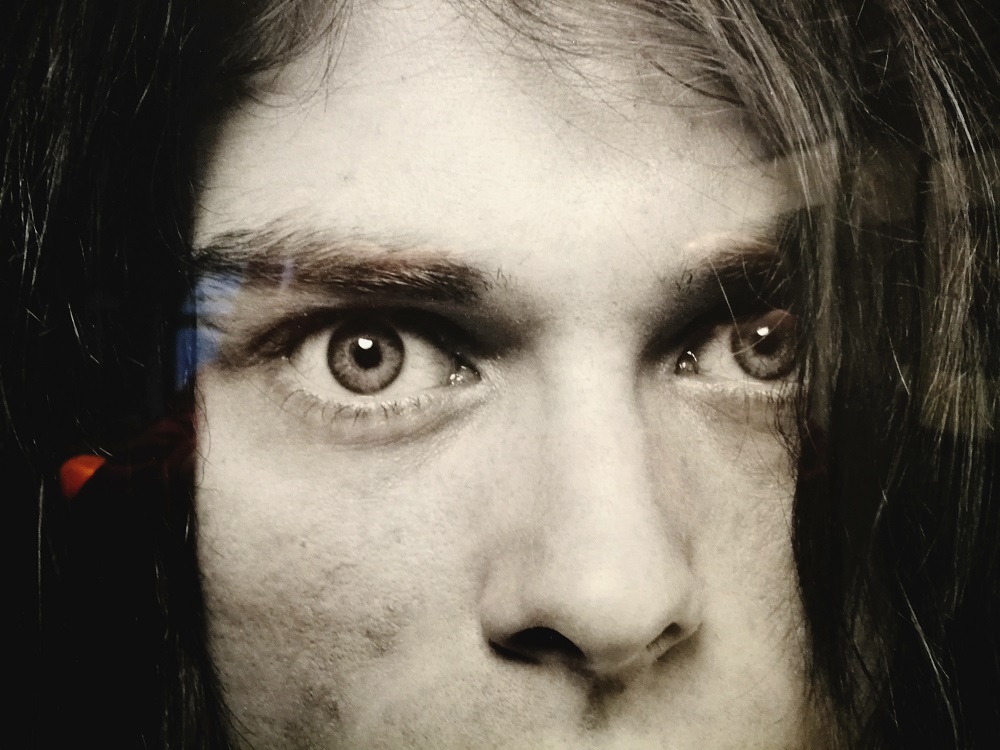

Police in Seattle have responded to a new report about the death of Kurt Cobain, which claims that he may have been murdered.
The Nirvana legend died in his home in April 1994, at age 27. His body was discovered at his property in the city’s Denny-Blaine neighbourhood several days after his death. At the time, a King County Medical Examiner ruled that he died by suicide, and the cause of death was listed as a self-inflicted gunshot wound from a shotgun. Toxicology reports also showed a high level of heroin in his system.
Cobain’s death sent shockwaves around the world and cemented his place in the so-called “27 Club” — a group of influential musicians who died at the same age. As the frontman of Nirvana, he had helped define the grunge movement of the early 1990s, with albums such as Nevermind and In Utero reshaping mainstream rock. Songs like Smells Like Teen Spirit turned the band into global stars almost overnight.
For decades now, however, there have been some who have disputed the official ruling, putting forward various conspiracy theories claiming that the grunge icon did not take his own life. Speculation intensified in the years following his death, fuelled by books, documentaries and online forums questioning aspects of the investigation, the handling of evidence, and the interpretation of forensic findings.
In 2014 — the 20th anniversary of Cobain’s death — Seattle police re-examined certain pieces of evidence, including previously undeveloped rolls of film from the scene. At the time, authorities reiterated that there was no new information to suggest anything other than suicide, stating publicly that the case remained closed.
The latest claims come from an unofficial private sector team of forensic scientists, who worked with independent researcher Michelle Wilkins and specialist Brian Burnett to look into the evidence. According to reports in the Daily Mail and LADBible, the team spent three days examining crime scene materials and reviewing documentation connected to the case.
The group claims to have “exhaustively” reviewed the autopsy documents and produced a peer-reviewed paper outlining what they allege are inconsistencies with the original findings. Among the issues reportedly raised are questions surrounding forensic interpretations and certain elements of the physical evidence documented at the scene.
In response, Seattle police have maintained their long-standing position. Authorities have stated that they are aware of the new report but that the case was thoroughly investigated in 1994 and subsequently reviewed. They have reiterated that there is no credible evidence to contradict the original conclusion of suicide.
Cobain’s death has long been a focal point for public fascination, partly because of his status as one of the most influential musicians of his generation. At the time of his death, Nirvana were at the height of their fame, and Cobain was married to singer Courtney Love, with whom he shared a young daughter.
The circumstances surrounding his final days — including a reported overdose in Rome weeks earlier and his departure from a rehabilitation facility shortly before his death — have often been cited in both official accounts and conspiracy narratives. Supporters of the official ruling point to documented struggles with addiction, chronic pain and mental health issues. Those who dispute it argue that unanswered questions remain.
More than 30 years on, Cobain’s legacy as a musician remains intact. Nirvana’s music continues to resonate with new generations, and his influence can still be heard across rock and alternative genres. Yet alongside the enduring cultural impact is an equally enduring debate about the manner of his death.
For now, Seattle police have made clear that the official conclusion has not changed. While independent researchers may continue to scrutinise the details, authorities insist that the 1994 investigation was comprehensive and that no substantive evidence has emerged to alter its findings.