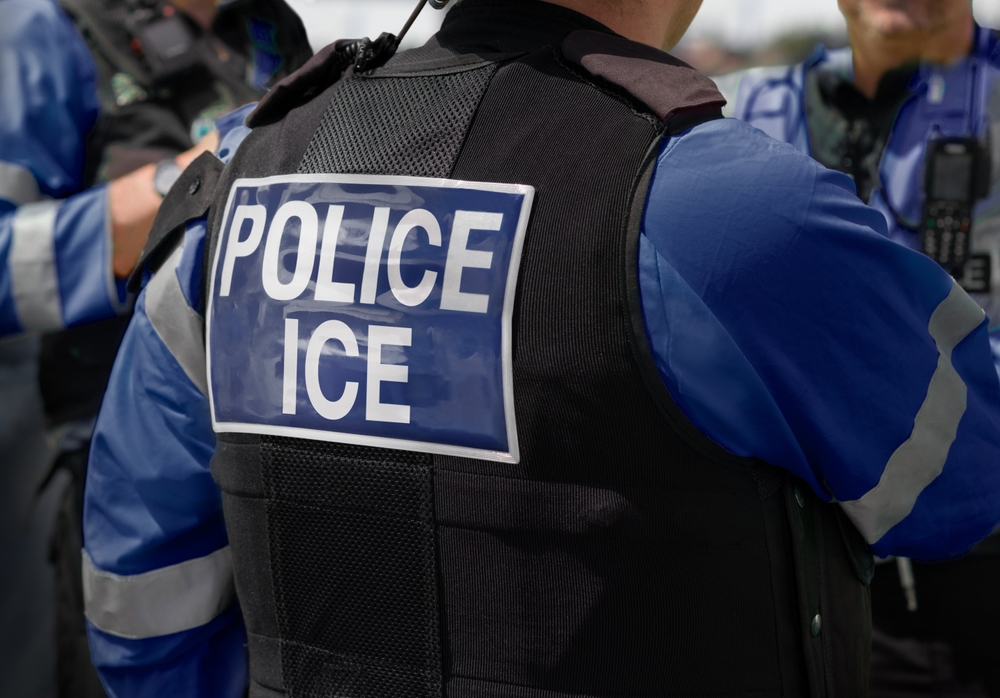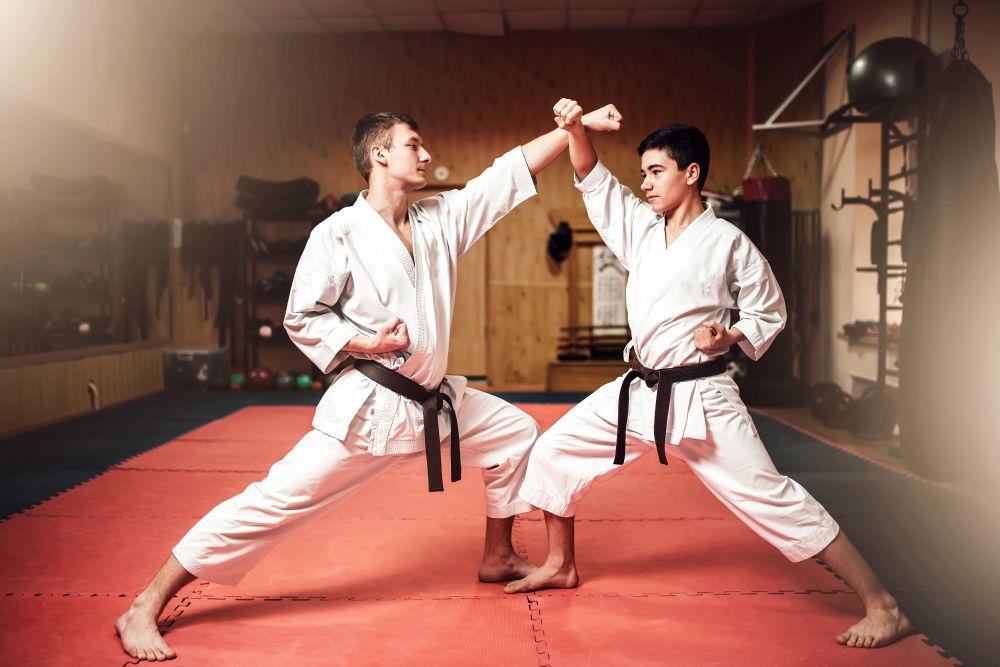

Calls for enhanced martial arts training for gardaí have resurfaced at Dublin City Council, following renewed debate about police tactics, public perceptions of crime, and viral videos showing arrests in the capital.
Last August, independent councillor Malachy Steenson submitted a motion to Dublin City Council calling for gardaí to be provided with “effective martial arts skills.” While the motion has not yet been debated, it has gradually moved closer to consideration. Steenson said his concerns were prompted by footage circulating online that appeared to show multiple gardaí struggling to restrain a single individual during an arrest on O’Connell Street.
“They should be able to immediately deal with these situations,” Steenson said, arguing that such scenes undermine public confidence in policing.
However, Garda sources and policing experts say the videos are often misunderstood and taken out of context. They stress that Garda training already includes martial arts–based techniques, with a focus on safety, de-escalation and minimising harm rather than rapid incapacitation.
According to Sergeant Andrew Carmody, an instructor at the Garda College in Templemore, recruits receive structured self-defence training during their initial education. This includes approximately 20 hours of instruction in a Japanese martial art known as Taiho-jutsu, which is specifically designed for police arrest techniques.
“There isn’t going to be any ninjas coming out of this school,” Carmody said, explaining that the training aims to equip recruits with practical, proportionate skills. Students are taught joint locks, balance control, break-falls and restraint methods, alongside de-escalation and disengagement strategies.
Garda recruits also receive training in the use of batons and pepper spray, including scenario-based exercises involving padded instructors. Manual handling, cell entry, and the safe restraint of non-compliant detainees are also part of the programme, often requiring several officers working together.
Carmody said public criticism often overlooks the reality that multiple gardaí restraining one person can be the safest approach. “It reduces the risk of injury to the person being restrained and to the members involved,” he said.
While Steenson has suggested that gardaí may be hesitant to use force due to fear of disciplinary consequences, Carmody rejected this, noting that officers are trained in a “graduated response”, up to and including lethal force when absolutely necessary.
According to the Dublin Inquirer, former garda Paul Comerford, who served in Dublin city, said real-life confrontations rarely resemble training scenarios. “Unless you’re physically able to dominate somebody, it just doesn’t apply,” he said, recalling an incident that required six officers to restrain one man.
Ultimately, Carmody said, communication remains the most powerful tool. “The best two weapons you’ll leave with are your brain and your mouth,” he told recruits.