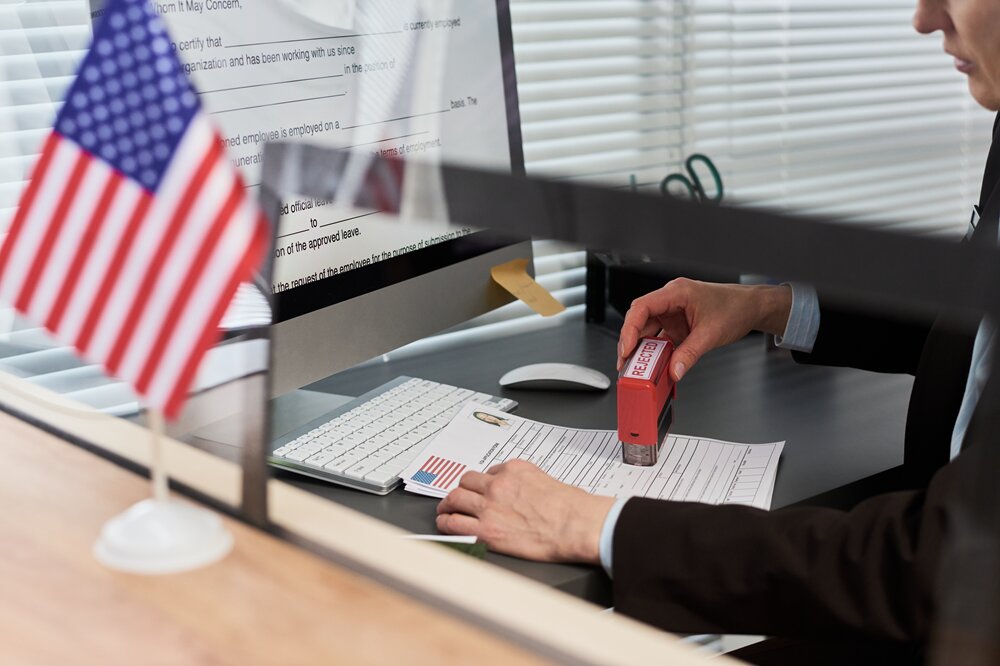

The US Department of Homeland Security (DHS) has introduced a new rule that will place fixed time limits on visas issued to international students, cultural exchange visitors and foreign journalists. The measure marks another step in the Trump administration’s broader effort to tighten immigration controls and increase oversight of people entering the United States.
At present, F visas for international students, J visas for participants in cultural exchange programmes and I visas for foreign journalists are generally valid for the duration of a person’s studies, exchange programme or employment. Under the new regulations, most student and exchange visas will instead be limited to a maximum of four years. Journalists will face even shorter periods of admission, with visas lasting up to 240 days, while Chinese journalists will be restricted to stays of just 90 days.
The changes are expected to affect thousands of people each year, including around 5,000 Irish students who participate in the popular J1 programme every summer. Although visa holders will be able to apply for extensions, they will no longer receive permission to remain in the US for the full duration of their programme automatically.
The new rules also introduce stricter conditions for international students. Graduate students will no longer be permitted to change their educational goals or transfer to another institution without official approval. In addition, the grace period after completing a course of study or training will be reduced from 60 days to 30 days, leaving graduates with less time to secure employment or arrange another legal immigration pathway.
Critics have argued that the measures create unnecessary obstacles for students and exchange visitors. Doug Rand, a former DHS official, said the changes would add needless bureaucracy despite the recognised benefits international students bring to the United States. David J. Bier of the Cato Institute also questioned the legal basis for some of the restrictions, arguing that the shortened grace period would make it far more difficult for graduates to find employers willing to sponsor their visas before their legal status expires.
The DHS defended the policy by pointing to a significant increase in visa admissions. The department reported more than 1.8 million student visa admissions in 2024, an increase of over 11% compared with the previous year. It also issued visas to more than 500,000 exchange visitors and over 37,000 members of the foreign media. Officials said the growing number of visitors has made it more difficult to effectively monitor compliance with visa conditions and cited cases of individuals remaining in the US for decades under the existing system.
The regulations will take effect 60 days after publication in the Federal Register, subject to congressional review. They form part of the Trump administration’s wider immigration agenda, which has also included increased scrutiny of legal immigration, student visas and permanent residency.