
Board games have traditionally been seen as a simple way to pass the time with family or friends, often bringing laughter, competition and the occasional dispute over rules. However, emerging research suggests these familiar games may offer benefits that extend far beyond entertainment, particularly when it comes to brain development and learning.
A recent study led by researchers at the University of Oregon examined 18 previous studies focused on number-based board games and their impact on children’s early mathematics abilities. The research analysed children ranging from preschool age (Junior Infants 4-5 years old) to second grade (2nd Class 7-8years old) and found strong evidence that playing number board games can significantly support numeracy development. In fact, the analysis showed a 76 per cent likelihood that children improved their maths skills when games involved moving pieces along a clearly numbered, linear path.
Gena Nelson, one of the study’s authors, explained that the team chose to focus on this topic because early mathematical ability is a strong indicator of later academic success. She noted that number board games are both affordable and easy for families to use at home. According to Nelson, even short periods of play can strengthen essential skills such as counting, recognising numbers and understanding quantity.
The benefits of board games are not limited to children. Natalie Mackenzie, a brain and cognition specialist with two decades of experience, highlighted how these games can also support adult brain health. She explained that board games help maintain attention, exercise memory and encourage problem-solving. Structured rules and clear goals can be motivating, while the social interaction they provide adds an emotional reward.
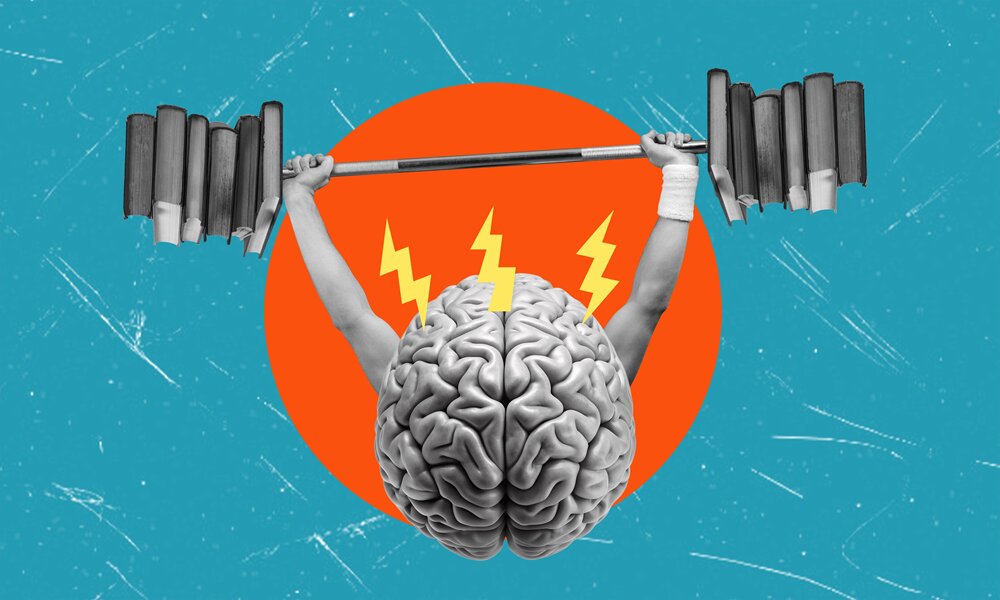
Mackenzie explained that playing board games activates multiple areas of the brain simultaneously. The prefrontal cortex, which manages planning, decision-making and self-control, is used when players follow rules, count spaces and plan strategies. At the same time, the hippocampus, which plays a key role in memory and learning, is engaged through repetition and recall of patterns. Board games also offer multi-sensory stimulation, combining visual cues, spatial reasoning and physical movement, all of which help strengthen neural connections.
Building on their findings, Nelson and fellow researcher Marah Sutherland are now developing new number games and maths-themed storybooks designed for families with children aged three to five who have disabilities. These resources are designed to be flexible, allowing parents to adjust difficulty levels and challenges based on their child’s abilities. Sutherland said feedback from families has been extremely positive, highlighting the importance of adaptable early learning tools that meet children where they are in their development.