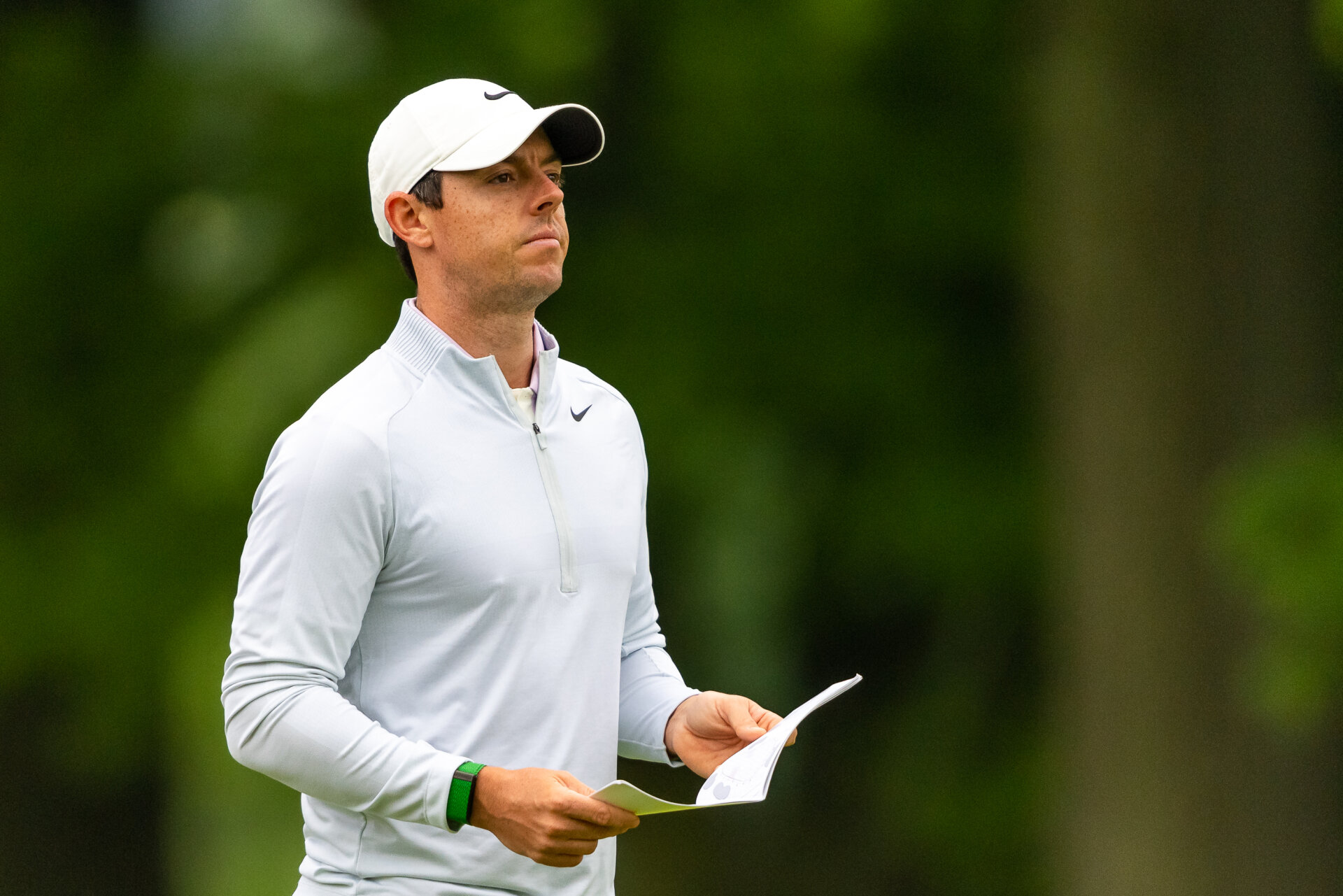

The PGA of America has issued a formal apology to Rory McIlroy, his wife Erica Stoll, and the rest of the European Ryder Cup team following an unprecedented level of abuse from some spectators during last week’s contest at Bethpage Black in New York. The apology comes in the aftermath of Europe’s hard-fought 15-13 victory over the United States, a win celebrated by players but overshadowed by the hostile environment created by a section of the home crowd.
The Ryder Cup, one of golf’s most prestigious team events, is renowned for passionate and vocal fans. Yet, the behaviour witnessed during this edition was widely condemned across the sport. Players and families were subjected to personal abuse, while some fans blatantly ignored the traditional etiquette of remaining silent during critical shots. Rory McIlroy, one of Europe’s marquee stars, became a particular target. During the tournament, McIlroy famously told the crowd to “shut up” amid relentless taunts, a rare public display of frustration from the four-time major champion.
The most shocking incident occurred when a spectator threw a beer that struck Erica McIlroy, Rory’s wife, in the head. The act, widely condemned by players, officials, and commentators, drew immediate attention to the risks that players’ families face during high-profile sporting events. PGA of America chief executive Derek Sprague confirmed he would be reaching out personally to apologize. Speaking to the Golf Channel, Sprague said: “It's unfortunate that people crossed the line last week. Rory might have been a target because of how good he is, but the entire European team should not have been subjected to that. I feel badly and I plan on apologising to them.”
The apology also follows reports that a Ryder Cup crowd announcer was stood down after leading an expletive-filled chant about McIlroy. The chant was reportedly encouraged by sections of the audience and has been widely criticised as one of the most inappropriate moments in Ryder Cup history. PGA of America president Don Rea Jr. attempted to contextualise the events, referencing previous Ryder Cups, saying that similar behaviours had occurred when Europe won in Rome two years ago. However, Sprague’s stance was unequivocal: “That’s one thing our game has always portrayed when you compare us to other sports — golf is a great game and people enjoy the game because of the values that golf has.”
The hostile atmosphere did not just affect McIlroy. Other European players and their families reported receiving abuse, highlighting a broader pattern of misconduct. Sprague acknowledged this, noting that the intensity of the crowd’s behaviour was unacceptable regardless of who was targeted. Even American golfing legends condemned the events. Tom Watson, a four-time Open Champion and Ryder Cup stalwart, posted on social media that he was “ashamed” by the behaviour of American fans and extended apologies to the European team.
Despite the distractions, McIlroy and his fellow Europeans maintained their composure on the course. His partnership with Shane Lowry proved pivotal for Europe, particularly in the fourball and foursomes matches where the duo’s synergy helped swing crucial points in Europe’s favour. The victory was historic not just for the scoreboard but for the manner in which the European team remained focused amid adversity. McIlroy’s composure under pressure, even while facing verbal abuse and seeing his wife targeted, earned him plaudits from fellow competitors and commentators alike. It also highlighted the growing frustration professional golfers feel when fan behaviour crosses into personal attacks.
The controversy has sparked wider debate about fan conduct in golf and at high-profile events in general. Historically, golf has been celebrated for its etiquette, respect, and decorum — qualities that make incidents like Bethpage particularly jarring. Sports analysts have noted that while passion from fans is an essential element of events like the Ryder Cup, there is a clear line between enthusiasm and harassment. The McIlroys’ ordeal, coupled with reports of chants and inappropriate behaviour, has intensified calls for stricter security and better enforcement of conduct policies.
The fallout has extended beyond immediate apologies. The PGA of America has vowed to review security protocols and spectator management for future events to ensure that players and families are not exposed to similar risks. Suggestions under consideration include increased monitoring of fan behaviour, stricter penalties for abusive spectators, and dedicated areas for families to ensure their safety. There is also discussion about better training for on-course announcers to prevent inappropriate or inflammatory commentary during matches.
For Rory McIlroy, the experience has been emotionally taxing. Speaking after the tournament, he acknowledged the intensity of the crowd while emphasising the importance of focusing on performance. Yet, the personal nature of some attacks — particularly the incident involving Erica — brought attention to the need for greater accountability at sporting events. McIlroy’s leadership and composure throughout the tournament, combined with his and Shane Lowry’s critical contributions to Europe’s victory, underscore both his skill and resilience as a competitor.
As the PGA of America prepares for the next Ryder Cup and other major tournaments, the hope is that lessons learned at Bethpage will lead to a safer, more respectful environment for athletes and their families. While the 15-13 victory will be celebrated in Europe for years to come, the events off the course serve as a sobering reminder that even golf, known for its decorum, is not immune to the challenges of managing highly passionate fans. The formal apology from Derek Sprague and the organisation represents an important step towards restoring the integrity of the game and ensuring that such incidents do not overshadow future sporting triumphs.